Abstract:
Ottawa is a dog-friendly city, with parks, trails, and neighbourhoods where pets and people regularly interact. Unfortunately, not every interaction is positive. Dog bites and attacks can result in serious injuries, infections, scarring, and lasting psychological trauma. While Ontario’s Dog Owners’ Liability Act (DOLA) imposes strict liability on dog owners for bites and attacks, the success and value of a claim often turn on timing, how quickly the victim seeks medical care, reports the incident, gathers evidence, and obtains legal advice.
This blog explains why time is such a critical factor in dog bite cases, outlines the legal framework in Ontario, and provides a practical checklist for Ottawa residents to protect their health and legal rights. Drawing on QTMG’s extensive experience with dog bite and other personal injury claims, it also highlights how a dedicated legal team can help victims secure compensation for medical treatment, lost income, pain and suffering, and long-term consequences such as scarring or anxiety.
Dog bites can be frightening and painful events, particularly when they involve children. The physical wounds may heal, but the emotional impact can last for years. In Ontario, the law recognizes the seriousness of dog bites and places responsibility on owners.
However, many people are surprised to learn just how much timing affects their legal claim. Delays in treatment, reporting, or legal consultation can make it harder to prove what happened, identify the proper defendant, and access insurance coverage.
Ontario’s Dog Bite Law in Plain Language
Ontario’s Dog Owners’ Liability Act (DOLA) governs most dog bite and attack cases in the province. Under DOLA:
- The owner of a dog is liable for damages caused when their dog bites or attacks a person or another domestic animal.
- Liability is generally “strict”, you do not have to prove that the owner was negligent or that the dog previously showed aggression.
- In some situations, the court may consider the victim’s role (for example, if they were provoking the dog) and might reduce damages accordingly.
In practical terms, if you can show:
- There was a bite or attack by a dog;
- You suffered injury or loss; and
- The defendant was an “owner” as defined in the Act (which can include people who had care or control of the dog at the time), then DOLA provides a path to compensation.
Why Acting Quickly After a Dog Bite Is So Important
1. Protecting Your Health
Dog bites can cause:
- Puncture wounds and lacerations
- Nerve and muscle damage
- Infection, including serious bacterial infections
- Risk of rabies or other diseases in rare cases
Prompt medical attention is crucial to clean the wound, assess the need for stitches, antibiotics, tetanus boosters, or rabies treatment, and document the injuries. Waiting could lead to complications and longer recovery, and it also weakens the medical link between the bite and your injuries.
2. Preserving Evidence
Right after a bite, critical evidence is still available:
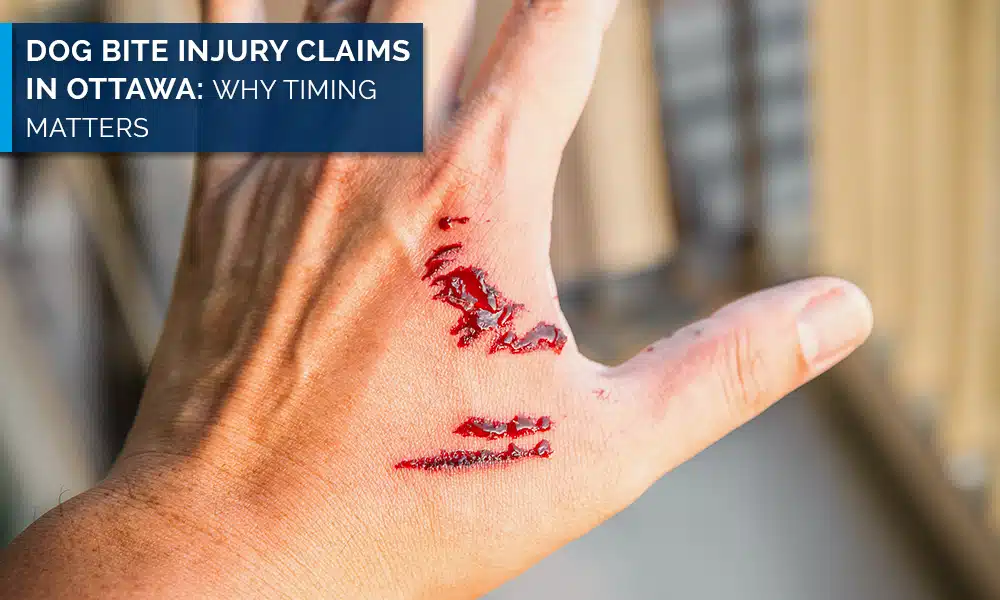
- Photos of your injuries before treatment and during healing.
- Pictures of the dog, if safe and appropriate.
- Images of the location, including any broken fences, lack of leash, or warning signs.
- Contact information for the dog’s owner (name, address, phone, email).
- Witness details.
As time passes, wounds change, memories fade, and it may be harder to identify the dog or its owner, especially if the incident happens in a public place like a park or trail.
3. Reporting the Incident to Authorities
Reporting to local animal control or by-law services serves several purposes:
- It helps confirm the dog’s identity and vaccination status.
- It creates an official record of the attack, which can support your civil claim.
- It allows authorities to assess whether the dog poses an ongoing risk to others.
Delaying or failing to report can make it harder later to prove the incident or obtain information about the dog and its owner.
4. Identifying Insurance Coverage
Dog bite claims are often paid by:
- The dog owner’s homeowner’s or renter’s insurance; or
- Sometimes, other liability policies depending on the setting.
Early legal advice can help locate and notify the correct insurer, which is key to securing compensation for medical expenses, lost income, and other losses. Waiting too long may mean evidence is lost or coverage becomes more difficult to access.
Legal Deadlines in Dog Bite Cases
Most dog bite claims in Ontario are subject to the general two-year limitation period under the Limitations Act, 2002. This means you typically have two years from the date you knew, or should have known, that you were injured and that the owner may be responsible, to start a lawsuit.
Special considerations include:
- Children: When the victim is under 18, the two-year clock often does not start until they reach the age of majority, though practical and evidentiary concerns still make early action important.
- Municipal property: If you were also injured due to a hazard on city property (for example, tripping over a broken sidewalk while being attacked), additional notice rules under the Municipal Act may apply, including a 10-day written notice requirement for certain claims. https://ottawa.ca/en/3-1-1/report-or-request/claims-city
Because limitation and notice rules can be complex, you should not delay seeking legal advice even if you believe you are “within two years.”
Common Mistakes Dog Bite Victims Make (and How to Avoid Them)
- Not getting the dog owner’s details
Always try to obtain the owner’s full name, address, and phone number. If they refuse, note anything that may help identify them later (vehicle plate, nearby house number, dog tag).
- Downplaying the incident
Many victims feel embarrassed or worry about causing conflict with neighbours. They apologize or say, “It’s okay,” only to realize later that the injury is more serious than they thought.
- Not reporting to animal control or by-law
Without an official report, insurers may question whether the attack occurred as described.
- Failing to document injuries over time
Dog bite wounds can leave significant scarring. Taking photos at key stages of healing can be important evidence in assessing long-term impact.
- Waiting too long to seek legal advice
Early guidance can help preserve evidence, identify coverage, and avoid missteps in communications with insurers or the dog owner.
What Compensation Can a Dog Bite Victim Claim?
Compensation in dog bite cases can cover:
- Medical and rehabilitation costs, such as hospital visits, specialists, physiotherapy, counselling, etc.
- Future treatment, including scar revision or psychological support for anxiety and PTSD.
- Lost income and reduced earning capacity if you miss work or your ability to work is affected.
- Out-of-pocket expenses, such as medications, transportation, and assistive devices.
- Pain and suffering, including the emotional impact and distress from scarring or disfigurement.
Each case is unique. The severity of your injuries, impact on daily life, age, employment, and other factors all influence the value of a claim.
How QTMG Helps Dog Bite Victims in Ottawa
Handling a dog bite claim involves more than just filing paperwork. At QTMG, we:
- Investigate the incident and identify all potential “owners” under DOLA.
- Obtain and review medical records and, where appropriate, consult medical experts.
- Work with you to document scarring, psychological effects, and other long-term consequences.
- Communicate with insurers on your behalf and negotiate fair compensation.
- Prepare for trial where necessary to protect your rights.
We understand that dog bites often involve neighbours, friends, or family members, which can make victims hesitant to pursue a claim. In most cases, compensation is paid by insurance, not directly out of the dog owner’s pocket. Our goal is to help you access the support you need to move forward while handling the legal complexities with discretion and care.
QTMG offers free consultations and operates on a contingency-fee basis; you do not pay legal fees unless we succeed in your case.
What to Do Today If You or Your Child Has Been Bitten
If you or a loved one has suffered a dog bite in Ottawa:
- Seek medical care immediately, tell the provider it was a dog bite.
- Take photographs of the wounds and any torn clothing.
- Obtain the dog owner’s contact information and, where safe, details about the dog (name, breed, vaccination status).
- Report the incident to animal control or by-law services.
- Write down what happened while it is fresh in your mind.
- Contact an Ottawa personal injury lawyer experienced in dog bite cases to discuss your options.
You don’t have to navigate this alone. Call QTMG Personal Injury Lawyers or visit www.ottawalawyers.com to schedule your free case evaluation and learn how we can help you secure the compensation you deserve.
